The Ultimate Guide to Fire and Water Damage Restoration
Ignite Your Journey: A Fresh Perspective on Restoration
When disaster strikes, knowing how to effectively combat fire and water damage can make all the difference. In this guide, you’ll gain a deep understanding of the restoration process—from the crucial first steps to the detailed procedures necessary for a successful recovery. This introduction kicks off a comprehensive exploration into proactive emergency response, damage assessment, and the implementation of safe, practical restoration techniques.
Throughout this guide, you'll discover how to:
- Quickly assess damage and prioritize actions
- Employ effective water extraction and soot removal methods
- Navigate safety protocols and adhere to local restoration standards in areas like Lakewood, Washington
By breaking down complex industry concepts into clear, accessible insights, this section sets the stage for addressing common issues and providing actionable solutions. Whether you’re a homeowner or a renter, learning these foundational steps will prepare you to tackle emergencies head-on and restore balance in the wake of unwelcome damage. Embrace the journey toward reclaiming safety and order—knowledge is your most valuable tool.
Immediate Steps to Recover from Fire or Water Damage
When disaster strikes, every minute counts. Follow these systematic steps to stabilize your situation and minimize further loss of property:
- Safety First: Prioritize the well-being of everyone in the premises. Evacuate immediately and call emergency services if necessary. Ensure that hazardous conditions are controlled before stepping back inside.
- Secure the Scene: Once safe, shut off utilities like water, gas, and electricity if you can do so without risk. This step is crucial to preventing additional damage, especially in properties across the Lakewood area and surrounding regions.
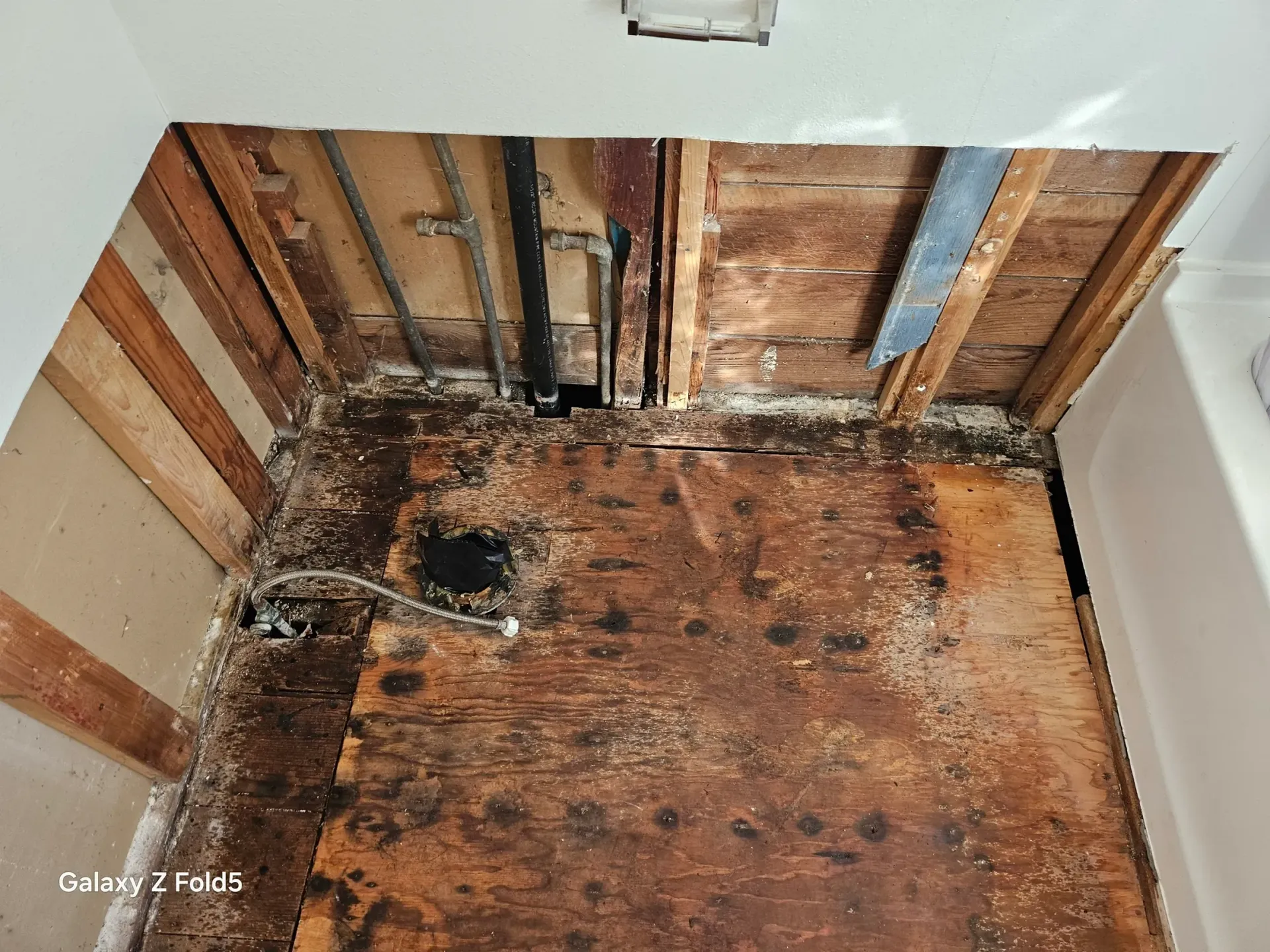
- Document the Damage: Carefully record signs of water or fire damage with photos and detailed notes. This evidence is vital for insurance claims and helps restoration professionals assess the extent of the damage.
- Mitigate Further Loss: Use temporary measures such as covering broken windows or using towels to stem water leaks. Prioritize areas most at risk of further deterioration.
- Contact Professionals: Reach out to certified restoration experts for advice and intervention. Their specialized equipment and techniques are crucial for returning your property to its pre-damage state.
Taking deliberate steps can significantly impact the overall recovery process and safety. Follow these guidelines consistently to help manage an otherwise overwhelming situation.
Top 7 Techniques & Tools for Effective Damage Restoration
- Advanced Moisture Mapping: Utilizing specialized sensors and moisture meters, restoration experts can accurately track water infiltration. This technique ensures not only effective drying but also minimizes the risk of hidden mold growth.
- Thermal Imaging Cameras: Essential for both fire and water restoration, thermal imaging helps identify temperature anomalies, enabling technicians to locate water leaks or burn hotspots behind walls and ceilings.
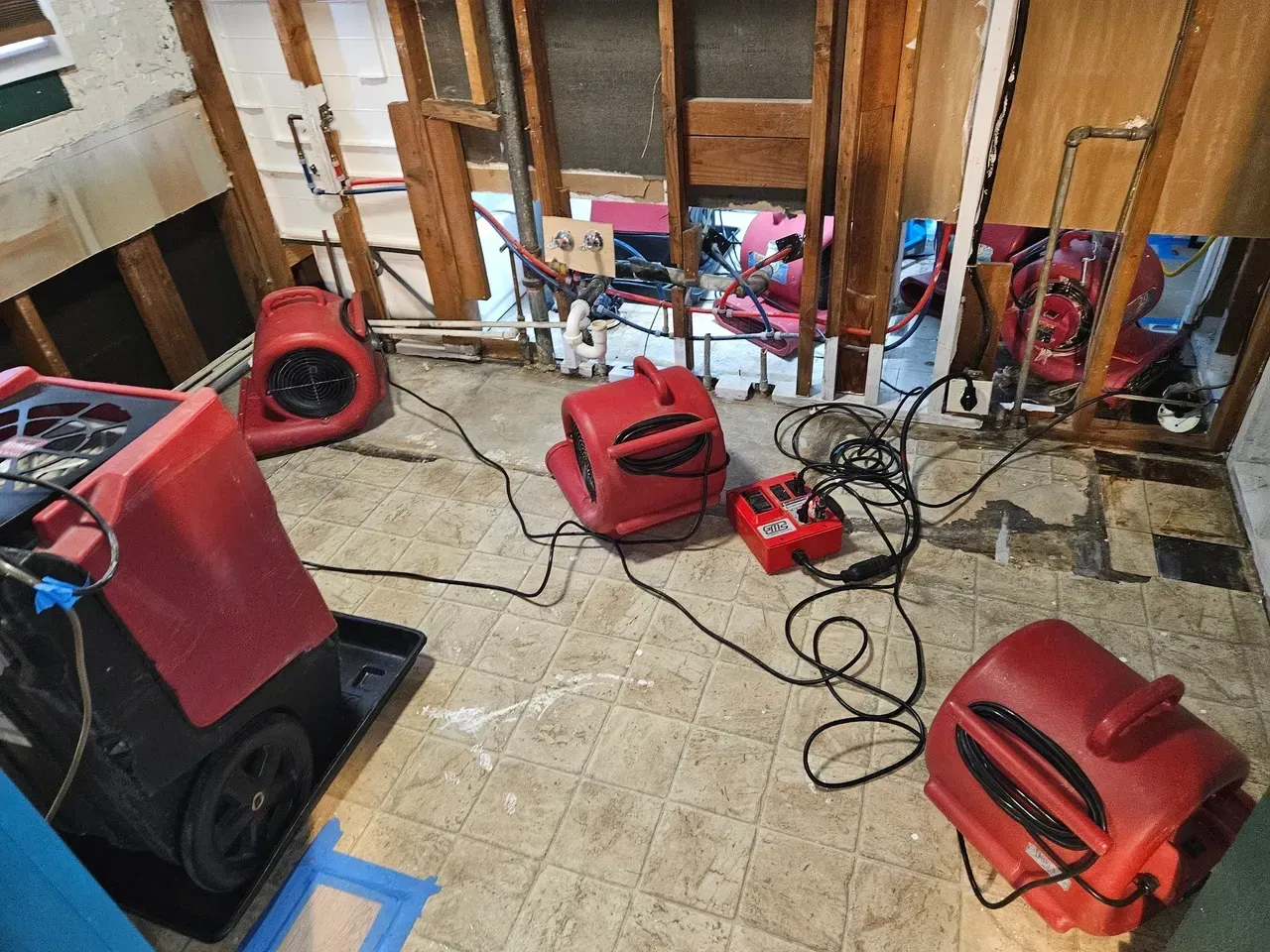
- High-Powered Air Movers: These industrial-grade fans rapidly circulate air to enhance evaporation. Quick drying is crucial in preventing secondary damage and maintaining structural integrity.
- Dehumidification Systems: Professional dehumidifiers extract excess moisture from the air, reducing humidity levels and ensuring a controlled environment during restoration.
- HEPA Air Filtration: To remove airborne contaminants, HEPA filters capture fine particles of soot, smoke, or mold spores. This step is pivotal for creating a safe indoor atmosphere post-restoration.
- Soot & Smoke Cleaning Techniques: Specialized cleaning agents and equipment help eliminate residues left by fire damage, preserving the aesthetics and safety of affected surfaces.
- Structural Drying Equipment: This technology delivers targeted drying to hard-to-reach areas, ensuring comprehensive moisture removal and reducing the risk of long-term damages.
Each technique plays a critical role in comprehensive restoration, tailored to local conditions and unique scenarios encountered in areas like Lakewood, WA.
When DIY Isn’t Enough: Recognizing the Tipping Point for Professional Help
Deciding whether to tackle fire or water damage restoration on your own or to call in experts requires a clear understanding of both approaches. DIY efforts may work for minor issues, such as small cleanups or localized water spills, but significant damage often demands professional intervention. Here’s what sets them apart:
- Scope of Damage:
- DIY: Suitable for surface-level cleanup and odor removal.
- Expert: Required for structural repairs and deep-seated mold remediation following extensive water or fire damage.
- Equipment and Techniques:
- DIY: Relies on basic, readily available tools.
- Expert: Utilizes specialized equipment like industrial-grade water extractors and thermal imaging technologies to identify hidden damage.
- Safety and Compliance:
- DIY: May miss critical safety hazards and lead to incomplete restoration.
- Expert: Ensures all restoration processes comply with local safety standards in Lakewood, Washington, protecting both property and inhabitants.
- Long-Term Effectiveness:
- DIY: Often results in temporary fixes.
- Expert: Provides a comprehensive restoration approach, mitigating future risks and safeguarding the structural integrity of your property.
Understanding these differences helps you make informed choices for effective fire and water damage restoration.
Frequently Asked Restoration Questions
What immediate steps should I take after fire damage?
After experiencing fire damage, ensure everyone’s safety and contact emergency services. Allow trained professionals to inspect the area before entering, as structural hazards or lingering smoke can pose risks.
How can I minimize further water or fire damage before help arrives?
Turn off utilities if safely possible. Remove excess water using towels or buckets and cover exposed areas to protect from weather, reducing long-term damage until professional restoration begins.
Why is professional restoration necessary?
Certified experts assess both visible and hidden damage. They use advanced techniques and equipment to prevent secondary issues like mold growth, ensuring your property is restored to safe, pre-incident condition.
What does the restoration process typically involve?
The process often includes initial damage assessment, debris removal, drying, decontamination, and reconstruction. Each step is carefully managed to meet safety and compliance standards.
How do professionals identify hidden mold risks post-damage?
Specialized moisture detectors and thermal imaging help locate areas of hidden dampness and mold contamination, ensuring that all compromised sections receive proper treatment.
Are 24/7 emergency restoration services available in Lakewood, Washington?
Yes, immediate response teams are accessible around the clock, ensuring that damage is minimized and your property is promptly attended to.
Why Selecting the Right Restoration Service Matters
When disaster strikes, whether from fire or water damage, making informed decisions about your restoration provider is crucial. Choosing an experienced, certified service ensures a comprehensive response to reduce further damage and accelerate recovery. It’s important to evaluate providers based on their track record, local reputation, and overall expertise in managing emergency restoration projects—especially if you live in areas like Lakewood or nearby Washington communities.
Key factors to consider include:
- Certification and Insurance: Confirm that technicians are properly certified and that the company handles insurance billing effectively.
- Response Time: Speed is critical. Look for a service that offers 24/7 availability to immediately address urgent incidents.
- Comprehensive Services: A well-rounded provider will manage everything from initial damage assessment to complete reconstruction, including mold remediation and hazardous materials cleanup if needed.
- Local Knowledge: Companies familiar with regional building codes and local climate challenges can implement more effective restoration techniques.
Following these practical steps will not only protect your property but also provide peace of mind during a challenging time. Consider these tips as part of your due diligence to make a confident, informed choice for your restoration needs.
Wrapping Up: Act Now for Lasting Recovery
In closing, it's clear that timely, skilled intervention is crucial in mitigating the aftermath of fire and water-related disasters. Reflect on the key points: rapid response minimizes structural and cosmetic damage, professional tools and techniques restore your property to its pre-loss condition, and the importance of thorough, systematic evaluations ensures a safe, sustainable recovery.
Before you move forward, consider these actionable steps:
- Assess the damage and secure your property.
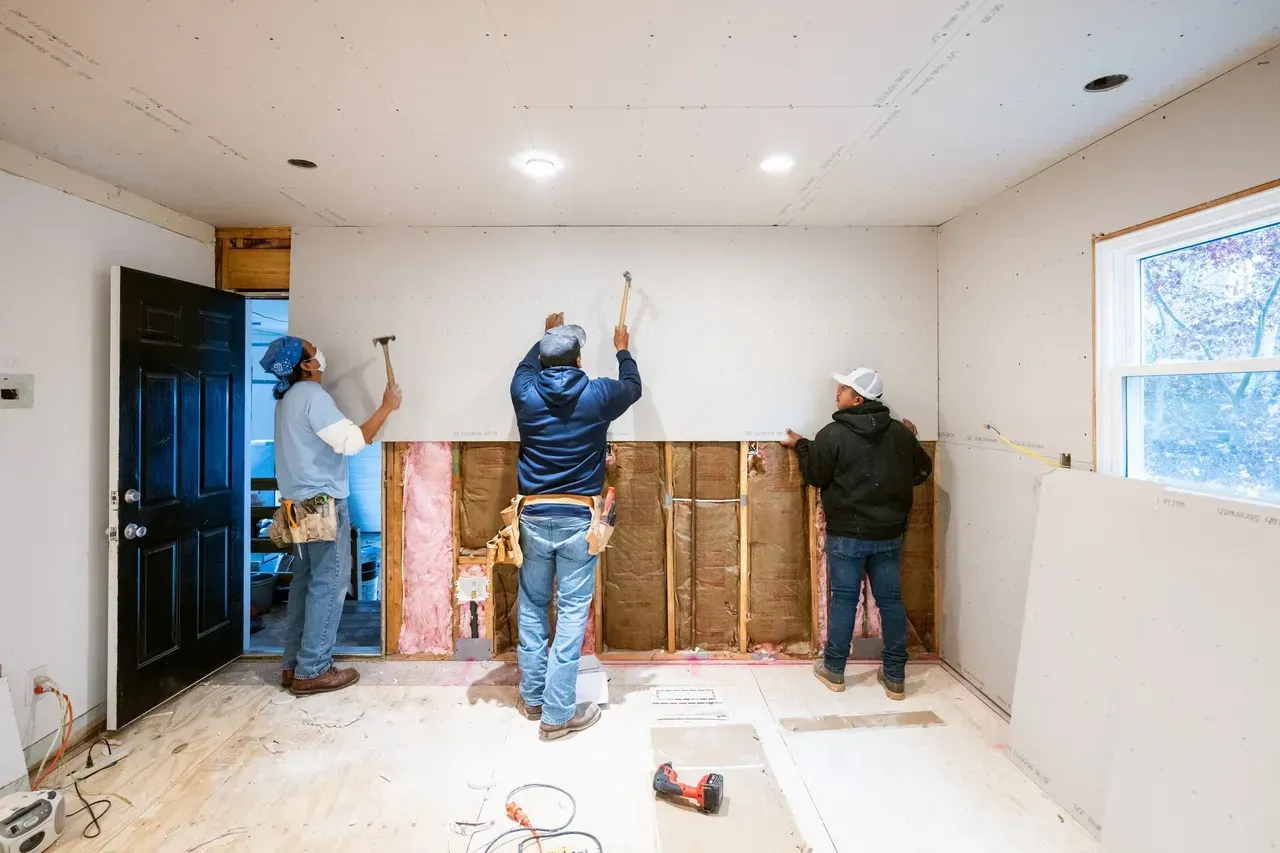
- Contact a professional restoration team to start the remediation process.
- Document all visible transformations to facilitate insurance claims.
- Maintain open communication with experts throughout the process.
This guide empowers you to navigate stressful situations with informed confidence, particularly in areas like Lakewood, Washington, where local expertise is invaluable. Remember, every minute counts. Take swift, decisive action and position yourself for a robust recovery. Let this conclusion be your catalyst to restore not just structures, but your peace of mind too. Take a deep breath, gather your resources, and move forward knowing that proactive restoration is the pathway to reclaiming your space.