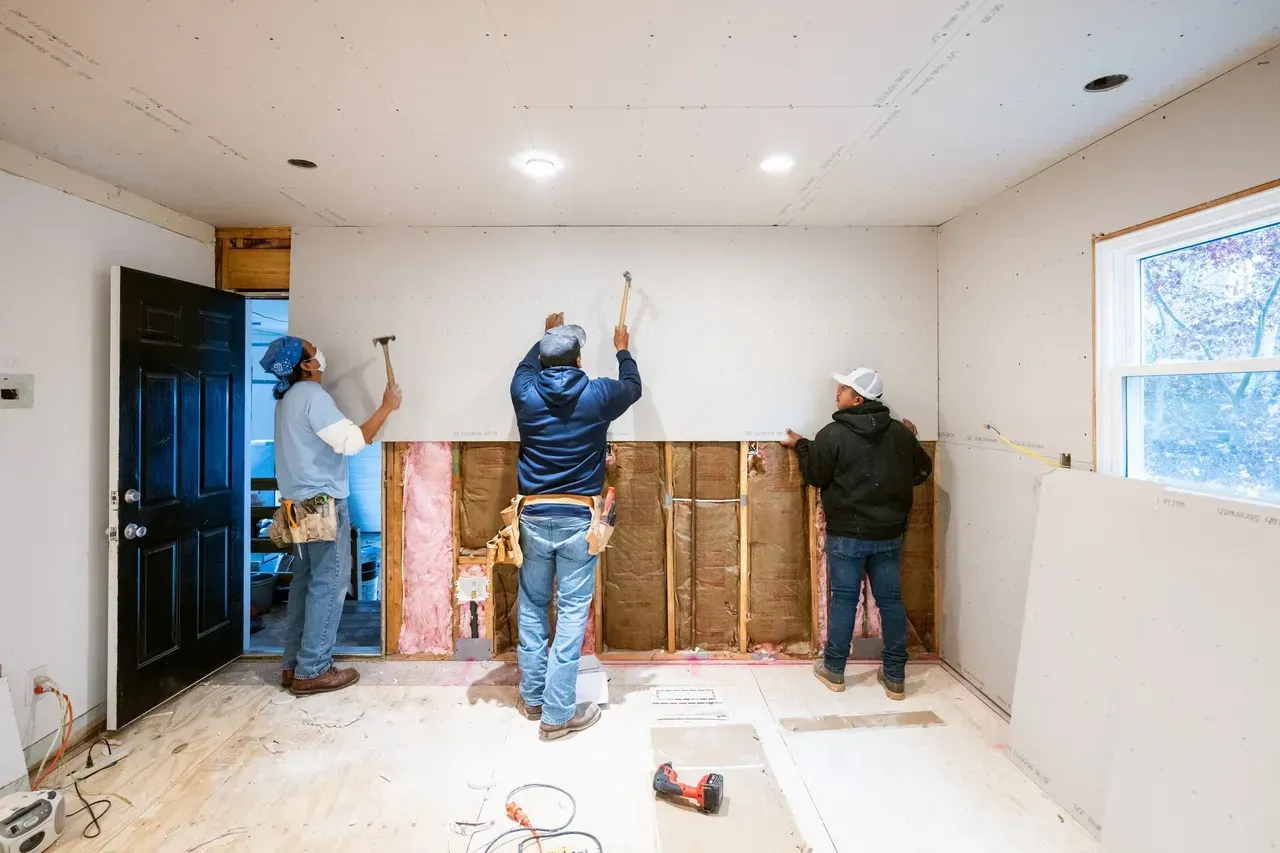
Essential Steps in Fire and Water Damage Restoration
Ignite Your Journey to Recovery
When disaster strikes, understanding the restoration process becomes crucial to returning your property to a safe and functional state. Fire and water damage restoration is more than just repairing broken structures—it’s about preventing further deterioration and ensuring the well-being of your loved ones and assets in areas like Lakewood and beyond. This section introduces you to the fundamentals of emergency restoration, outlining why a prompt, knowledgeable response is essential.
In the wake of fire or water emergencies, damage can quickly escalate, jeopardizing structural integrity and personal safety. Discover actionable steps to:
- Assess immediate hazards and secure your property
- Initiate a timely cleanup to limit secondary damage
- Benefit from expert advice on moisture control and smoke residue remediation
By understanding the critical stages of the restoration process, you empower yourself with the know-how to act swiftly and effectively. Throughout this guide, you’ll learn practical tips, strategic insights, and proven techniques that foster a safer, faster recovery following any unexpected incident.
Swift Damage Evaluation: Your First Steps
When dealing with the aftermath of fire or water incidents, it’s crucial to begin with a careful, systematic assessment of the affected area. First, ensure that the environment is safe for both you and any occupants. Once safety is confirmed, follow these clear, actionable steps:
- Conduct a Visual Inspection: Walk through the property and check for obvious signs of damage such as burnt surfaces, water stains, and structural distortions.
- Document Everything: Take detailed photographs and notes to record visible damage. This documentation can be vital for both insurance claims and future restoration plans.
- Identify Hidden Hazards: Look for less apparent issues like moisture trapped behind walls, compromised electrical systems, or weakened support structures.
- Use a Detailed Checklist: Evaluate each room systematically. Make sure to inspect areas like basements and attics where damage might go unnoticed.
- Consult Local Specialists: When in Lakewood, Washington, consider reaching out to experienced restoration professionals for an expert evaluation and next steps.
Following these steps will help you build a clear picture of the damage and prepare a practical plan for restoration.
Cutting-Edge Tools and Techniques for Restoration Success
When addressing the aftermath of fire or water damage, having the right equipment and techniques can make all the difference. Restoration professionals deploy an array of advanced tools designed to pinpoint and eliminate hidden damage. Specialized moisture meters and thermal imaging cameras quickly identify areas where water may have seeped unnoticed, while high-powered extraction equipment efficiently removes standing water.
The process also involves a series of strategic steps:
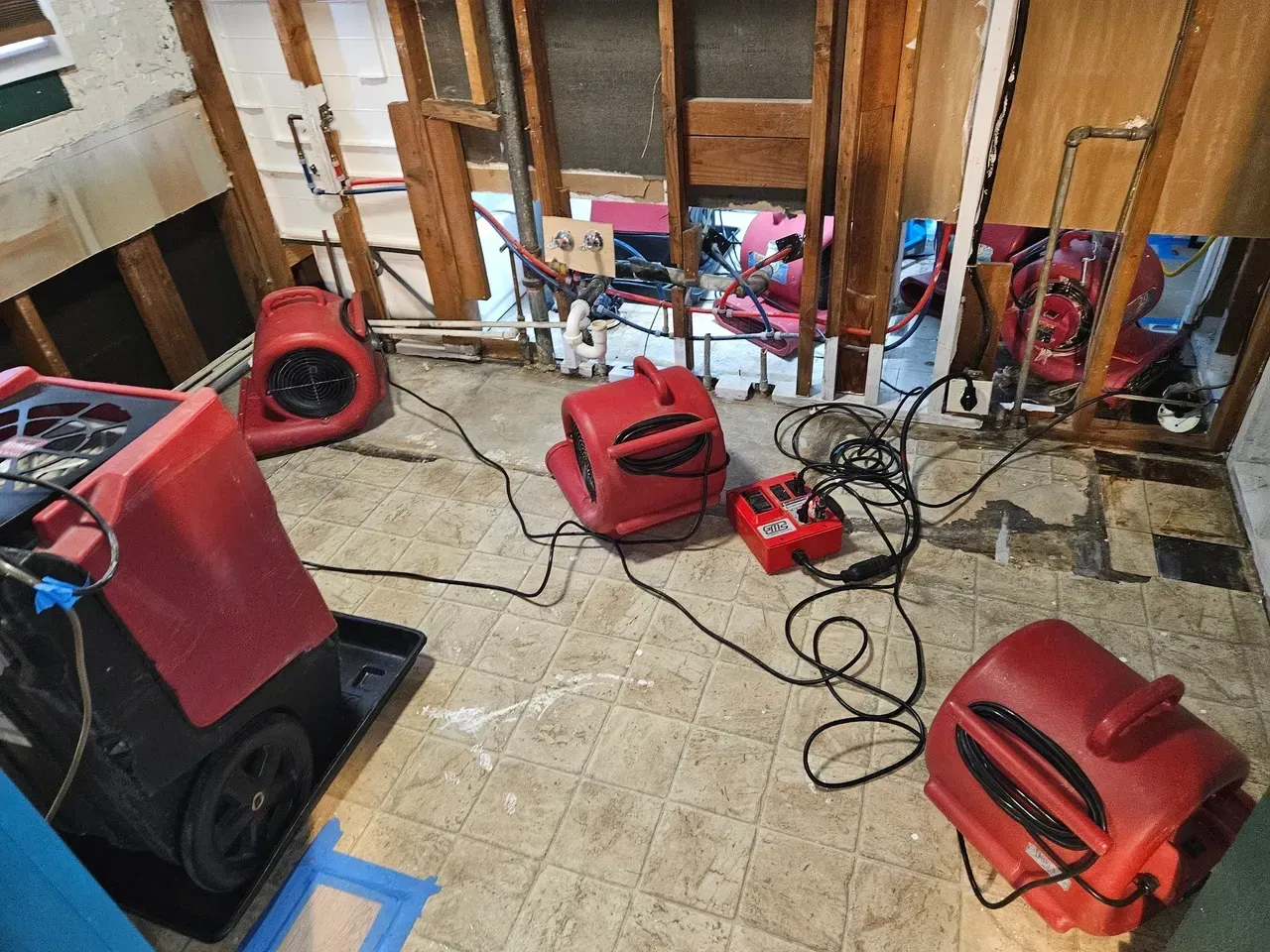
- Dehumidification: Industrial dehumidifiers help lower ambient moisture levels to deter mold growth.
- Air Filtration: Negative air machines capture airborne particulates, ensuring cleaner, healthier indoor air.
- Structural Drying: Targeted drying techniques safeguard structural integrity by reducing the risk of long-term deterioration.
In addition, fire damage restoration incorporates soot and odor mitigation systems that use specialized sanitizing solutions to neutralize harmful residues. In regions like Lakewood, Washington, these methods are essential for minimizing further damage and expediting recovery. By leveraging a blend of modern technology and proven restoration practices, homeowners and business owners can navigate the challenges of restoration with confidence and clarity.
Overcoming Restoration Roadblocks with Confidence
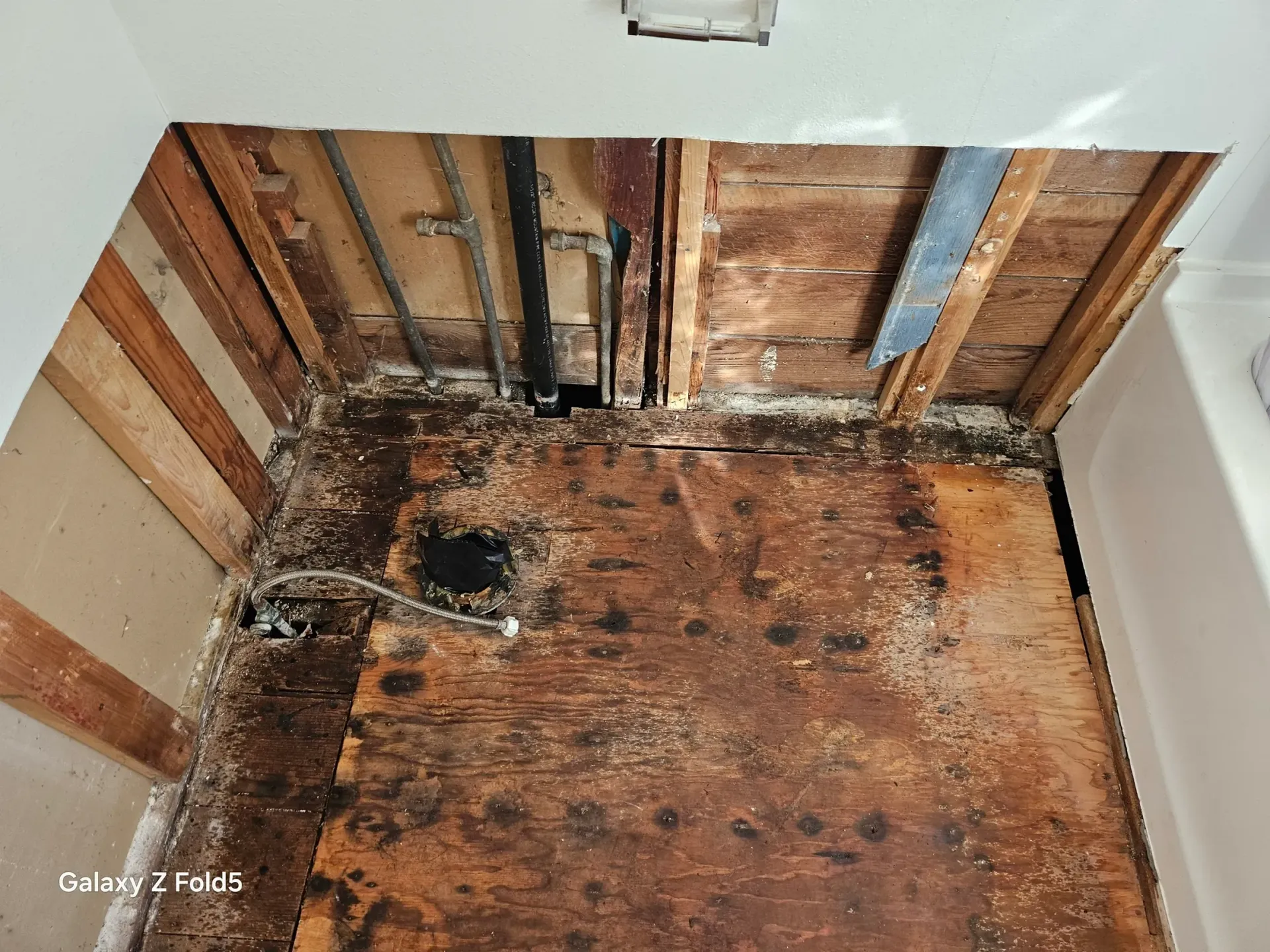
When dealing with fire and water damage, it's common to face multiple challenges that can slow the recovery process. The aftermath of a blaze or flood often leaves behind structural instability, lingering contaminants, and persistent odors that require swift, specialized attention. One primary obstacle is water extraction and thorough drying, as moisture trapped within walls or subfloors can lead to mold growth and additional damage if not addressed immediately. Fire incidents can leave behind corrosive residues and stubborn soot, demanding a detailed cleaning strategy to prevent further degradation of materials.
To tackle these issues effectively, experts recommend a structured approach:
- Assess and secure the site to avoid safety hazards.
- Quickly initiate water removal and controlled drying to mitigate mold risks.
- Use industry-standard cleaning agents to address soot and residue.
- Implement air-purification techniques to restore indoor air quality.
Understanding local challenges in areas like Lakewood, Washington, where weather conditions can exacerbate water damage, is crucial. By following these practical steps and advanced remediation techniques, property owners can restore their homes more efficiently and minimize long-term repair costs.
Frequently Asked Questions about Fire and Water Damage Restoration
What steps should I take immediately after fire or water damage?
After an incident, safety comes first. Ensure that everyone is out of harm’s way by evacuating the area, then shut off utilities if you can do so safely. Document the damage with photos for insurance and restoration records. Quick action helps minimize further loss.
How soon should restoration services be contacted?
It’s best to reach out to restoration professionals within a few hours after an event. This fast response is crucial for controlling water spread, reducing mold risk, and preventing further deterioration, especially in local areas such as Lakewood, Washington.
What common challenges do property owners face?
Issues like hidden structural damage, persistent smoke or odor residue, and rapid mold proliferation are frequent. These challenges require specialized equipment and expert techniques to handle effectively.
How is mold growth prevented after water damage?
A comprehensive drying plan with dehumidifiers, proper ventilation, and thorough cleaning is essential. This proactive approach minimizes moisture and reduces the chance of mold.
What role does insurance play in these situations?
Many property owners find that insurance can cover emergency repairs. Ensure you document everything carefully and review your policy details to streamline the claims process.
Protecting Your Property for the Long Term
Maintaining your property not only preserves its value but also minimizes the risk of future fire and water damage. Proactive upkeep is crucial for areas like Lakewood, Washington, where changing weather patterns can present unforeseen challenges. Regular inspections and scheduled maintenance can make a significant difference. Consider these practical steps:
- Routine System Checks: Evaluate your plumbing, electrical systems, and roofing at least twice a year to catch early signs of wear or leaks.
- Implement Preventive Measures: Install smoke detectors, water sensors, and fire extinguishers throughout your property to offer immediate alerts in case of an emergency.
- Protect Vulnerable Areas: Focus on high-risk zones such as basements and attics. Seal cracks and maintain proper drainage systems to prevent water accumulation.
- Seasonal Preparations: Adjust your maintenance routines according to seasonal shifts. For example, winter months may require extra attention to heating systems and insulated pipes.
Taking these steps can greatly reduce the risk of costly repairs and downtime. A well-maintained property not only ensures safety but also supports a smoother recovery process, should any incidents occur. By staying informed and proactive, homeowners can safeguard their investments and enjoy peace of mind.
Concluding Actions for a Restored Future
As you wrap up your exploration of effective fire and water damage restoration, it’s important to recall the essential steps and key takeaways that safeguard your property. In every restoration scenario, acting swiftly and methodically is critical to prevent further deterioration and maintain safety.
Remember these pivotal points:
- Immediate Assessment: Quickly evaluate the extent of damage to mitigate risks.
- Expert Guidance: Engage restoration professionals who use advanced equipment and industry best practices.
- Thorough Documentation: Record damage details to support insurance and recovery efforts.
- Ongoing Prevention: Address underlying issues to prevent recurrence of damage.
Local homeowners and property managers in Lakewood and surrounding areas can benefit from this approach by planning proactive maintenance and securing reliable emergency services. These actionable steps not only improve recovery time but also restore peace of mind during challenging times. As you move forward, consider reaching out to seasoned restoration experts who bring precision and compassion to each project. Embrace these insights and take decisive, informed action to ensure your property is restored effectively and safely.