Comprehensive Guide to Fire and Water Damage Restoration
A Fresh Perspective on Restoration Essentials
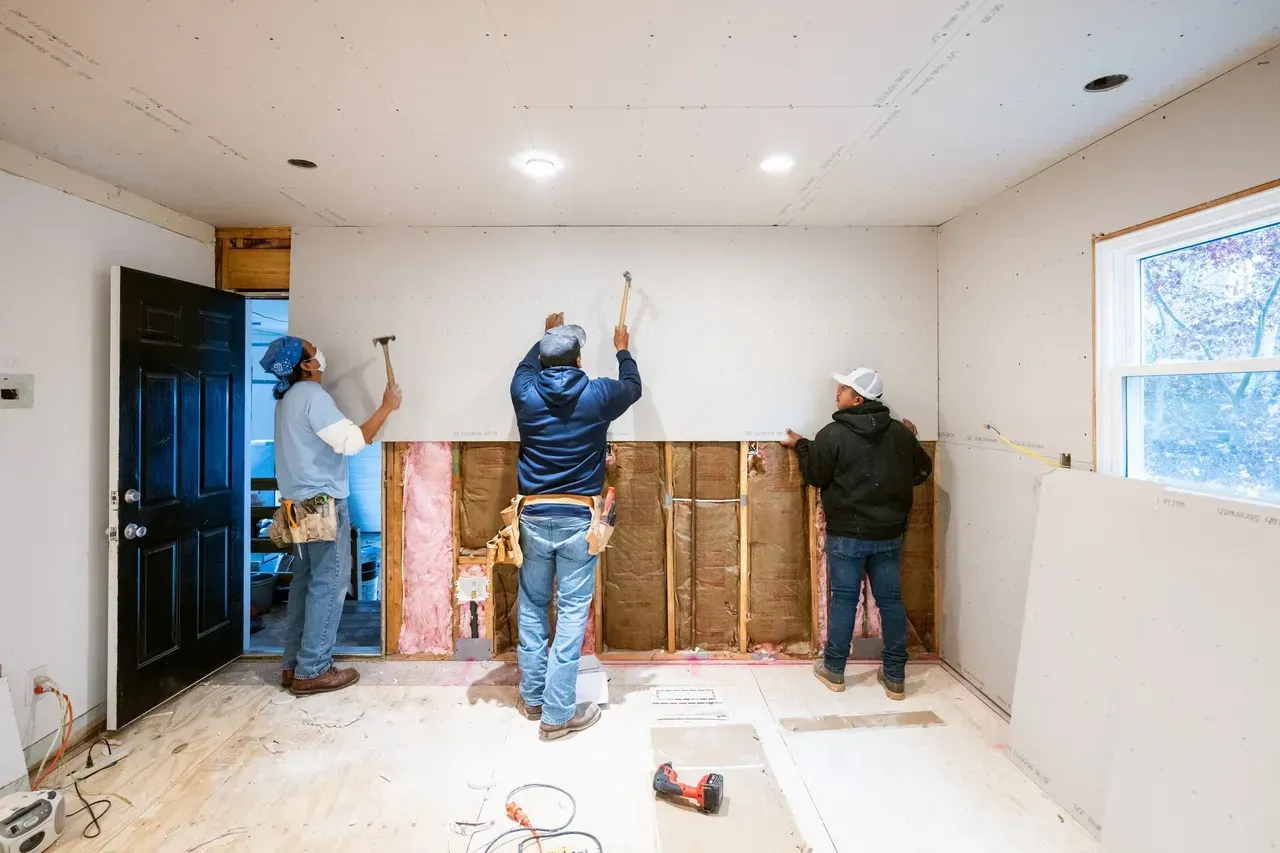
When unexpected damage strikes, understanding the necessity of fire and water damage restoration becomes a priority for homeowners and property managers alike. In our fast-paced world, a timely and effective restoration process can mean the difference between a minor setback and a long-lasting disruption. This section sheds light on why immediate action is crucial to mitigate losses and ensure safety following incidents like fires or floods.
Restoration services play a dual role: they not only repair and clean damaged structures but also help prevent further complications, such as mold growth or structural decay. Readers will learn:
- Key strategies to assess damage quickly
- The benefits of early intervention in minimizing long-term costs
- Practical steps for secure property recovery
By incorporating practical guidance with realistic expectations, this guide is designed to equip you with actionable tips and insights, especially if you're located in regions that experience sudden weather changes, like Lakewood, Washington. Whether for residential homes or commercial facilities, the journey to restoration begins with understanding methodical, efficient solutions that address both immediate concerns and future safety.
Unveiling Hidden Threats: How Damage Occurs and Impacts Your Property
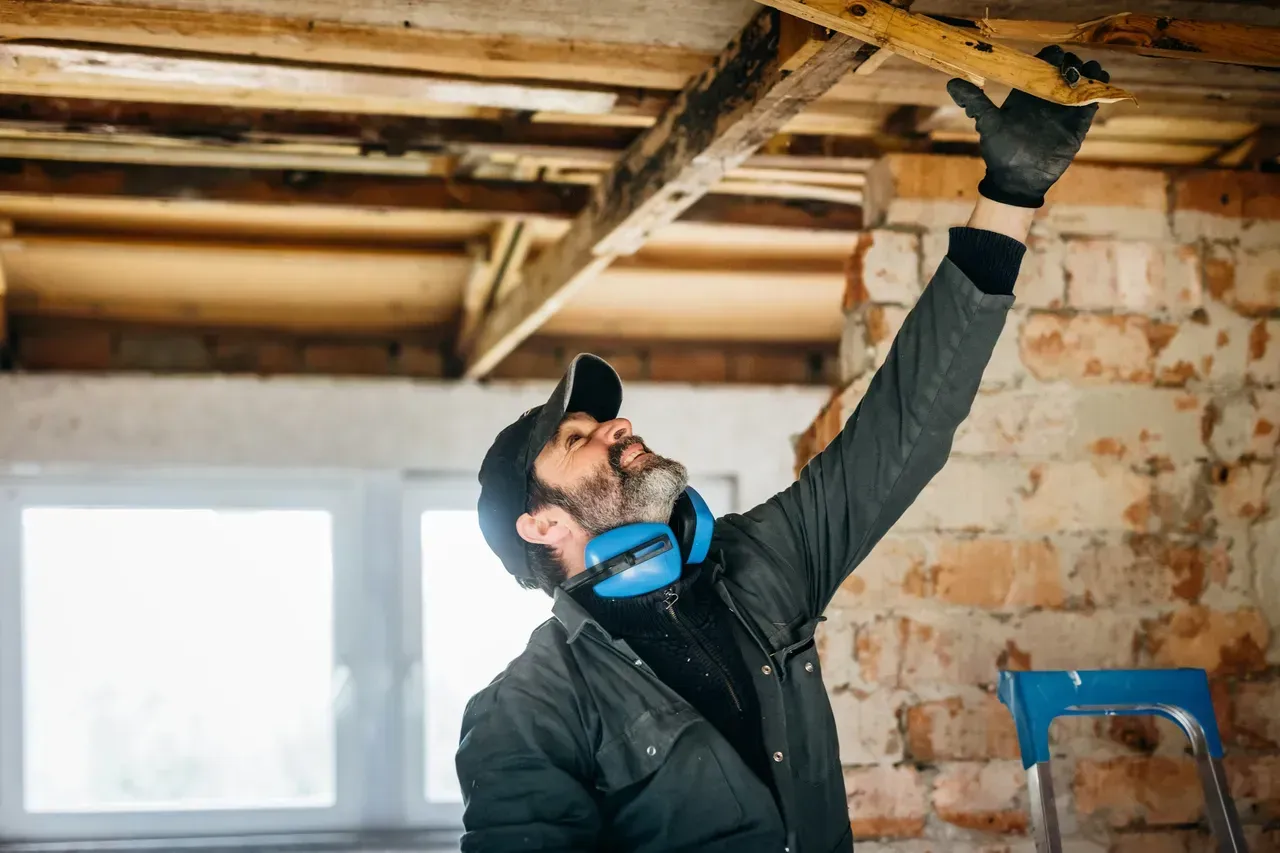
Understanding the root causes of both fire and water damage is crucial for property owners looking to safeguard their investments. In areas like Lakewood, Washington, aging infrastructure and extreme weather can lead to unexpected, costly damage. Faulty electrical systems and worn-out appliances often trigger fires that quickly spread, compromising structural integrity and posing significant safety risks. On the water side, common issues such as burst pipes or prolonged exposure to heavy rainfall can cause water intrusion that deteriorates building materials and catalyzes mold growth.
Key triggers to watch for include:
- Electrical Failures: Overloaded circuits and outdated wiring can spark fires.
- Plumbing and Infrastructure Issues: Leaky pipes or burst water mains can lead to water saturation and subsequent damage.
- Weather-Related Events: Severe storms and flooding can overwhelm building defenses, especially in regions with fluctuating climates.
Regular property inspections and proactive maintenance can help mitigate these risks. By understanding these common causes, homeowners can implement effective strategies to protect their property and ensure a safer, more resilient environment.
Begin Your Restoration Journey: Step-by-Step Damage Assessment and Planning
When disaster strikes, having a clear plan can turn chaos into a controlled recovery. Follow these clear steps to assess damage and develop a practical restoration plan:
- Safety First: Check for structural instability, hazardous materials, or compromised electrical systems. Prioritize your personal safety and evacuate if needed.
- Detailed Damage Walk-Through: Walk through the affected area using a checklist. Document fire hotspots, water intrusion paths, and potential mold growth areas. Take photos and notes for a visual timeline.
- Identify Priority Zones: Use your walk-through findings to distinguish high-risk zones. Focus on areas with major water saturation or intense fire damage.
- Create an Action Plan: Break down the restoration workload into manageable tasks. Outline steps such as debris removal, water extraction, and smoke odor mitigation.
- Establish Local Connections: If you are in areas like Lakewood or the greater Washington region, incorporate advice from local restoration experts on regional climate impacts.
Tip: Regularly update your checklist as new issues emerge during the restoration. Following this structured approach helps ensure that every detail is addressed for a smooth recovery process.
Cutting-Edge Innovations in Restoration Technology
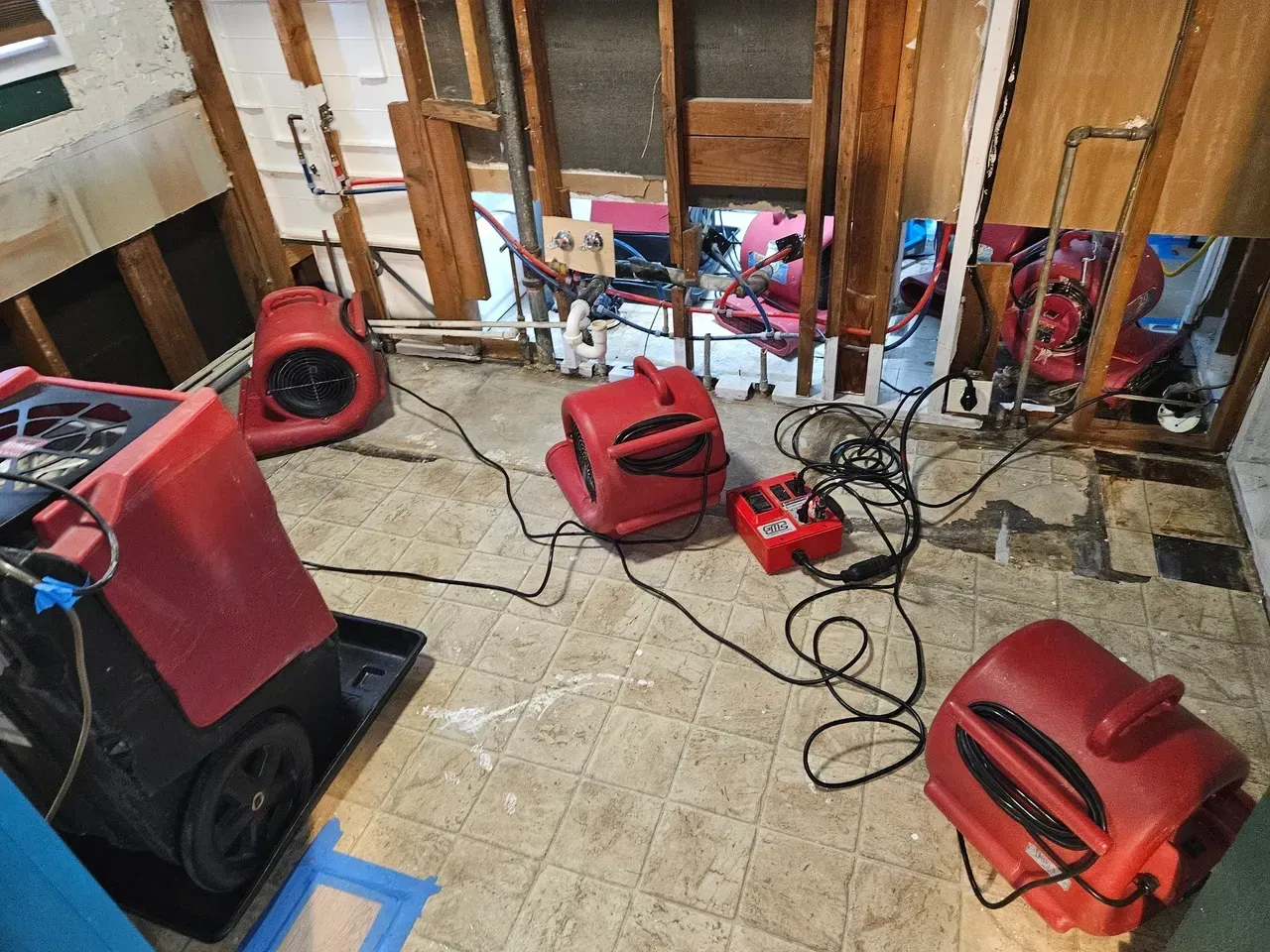
Staying ahead of evolving challenges is crucial in the restoration industry. New technologies and enhanced recovery techniques are transforming fire and water damage restoration, making it more efficient and effective. Advanced moisture detection equipment and thermal imaging systems now help identify hidden water pockets and structural weaknesses, reducing the risk of secondary damages. Techniques such as high-velocity air movers and dehumidification systems are streamlining the drying process, while specialized cleaning agents work to eliminate soot and long-lasting odors after a fire incident.
Key advancements include:
- State-of-the-art detection tools: Ensuring precision in identifying moisture and heat-retaining zones.
- Innovative thermal imaging: Allowing restoration experts to locate hidden damages swiftly.
- Eco-friendly cleaning solutions: Safeguarding indoor air quality during the restoration process.
Moreover, the incorporation of these tools has been significant in areas like Lakewood, Washington, where local conditions demand agile responses. Embracing these progressive technologies not only improves restoration outcomes but also enhances overall safety and efficiency during recovery projects. These practical insights are essential for homeowners and property managers trying to navigate post-damage restoration effectively.
7 Proactive Strategies to Prevent Future Fire and Water Damage
- Upgrade Detection Systems: Install high-quality smoke detectors and water leak sensors throughout your property. Regularly test these devices to ensure early warning during emergencies.
- Schedule Routine Inspections: Conduct regular home evaluations to pinpoint vulnerabilities such as aging wiring, deteriorated pipes, or roofing issues. Preventing small problems now can avoid large-scale damage later.
- Enhance Structural Materials: Consider fire-resistant roofing, insulation, and exterior cladding. Improvements like these are especially beneficial for residents in regions like Lakewood, WA, where weather challenges can exacerbate damage.
- Maintain Landscaping and Drainage: Keep gutters clean, repair drainage systems, and manage landscaping to prevent water pooling. Proper water flow minimizes flood risk and subsequent water damage.
- Service Heating and Ventilation: Regular maintenance of furnaces, chimneys, and HVAC systems reduces fire hazards and ensures efficient operation.
- Invest in Safety Equipment: Equip your home with modern fire extinguishers and backup safety systems. Being prepared can make a significant difference in an emergency.
- Seal Vulnerable Entry Points: Ensure windows, doors, and other openings are well-sealed. Effective sealing enhances energy efficiency and prevents water intrusion during heavy rains.
FAQs on Fire and Water Damage Restoration
Q: What immediate actions should I take after experiencing damage?
Immediately secure your safety by evacuating the property and shutting off utilities. Once safe, document visible damage and contact emergency services. Quick measures can help mitigate further harm and support your insurance claim process.
Q: How long does the restoration process generally take?
The timeline depends on damage severity. Water damage cleanup may take from a couple of days to a week for proper drying and dehumidification, whereas fire damage restoration, which often involves structural repairs and soot removal, can span several weeks.
Q: What factors influence restoration costs?
Costs vary based on the extent of damage, materials affected, and additional needs such as mold remediation or reconstruction. Accurate damage assessments and professional evaluations are key to understanding potential expenses.
Q: Is it advisable to perform any restoration work myself?
While minor cleanups can be handled with care, professional services are recommended for comprehensive drying, mold prevention, and ensuring structural safety.
Q: How do local restoration services support residents in Lakewood, WA?
Local experts provide prompt and efficient services, addressing unique regional challenges while guiding you through effective mitigation, repairs, and insurance claim processes.
Embracing Proactive Restoration
As you conclude this guide, remember that being well-informed is the first step toward protecting your property from the unexpected. This post has highlighted essential actions, practical tips, and strategies to manage fire and water damage effectively. By understanding key terminologies and restoration techniques, you’re now equipped to address emergencies with confidence.
Consider these actionable steps:
- Assess risks and create clear emergency plans.
- Prioritize swift response measures to minimize further damage.
- Stay up to date with local service options, particularly in areas like Lakewood, Washington.
- Familiarize yourself with industry best practices for cleanup, reconstruction, and mold remediation.
Taking these steps can help safeguard your home or business against unforeseen incidents. Use this knowledge to reinforce maintenance strategies and communicate effectively with restoration specialists when challenges arise. Remember, every proactive measure contributes to minimizing future losses and ensuring your space remains resilient. Keep moving forward with determination, and allow this guidance to inspire you to take control of your property's safety and longevity.