How to Restore Your Property After Fire or Water Damage
Rebuilding After Disaster: Why Immediate Action Matters
When disaster strikes, every minute counts. Fire and water damage can weaken the foundation of your property and create long-term issues if not addressed quickly. In many cases, the first response can determine the extent of restoration needed, impacting costs and overall recovery time. Acting swiftly mitigates further structural harm and prevents the growth of mold or lingering hazards.
In this section, you’ll learn the essentials of damage restoration and why it is crucial to act immediately. Key takeaways include:
- Understanding the common challenges faced during fire and water emergencies.
- Recognizing the unique aspects of restoration in your local region, especially in areas like Lakewood, Washington.
- Tips for safe initial assessments before professional help arrives.
This guide offers practical insights, clear why prompt action is necessary, and gives you a roadmap to begin the recovery process. With the right steps, you can restore your property efficiently and effectively, ensuring both safety and long-term value.
Step-by-Step Damage Assessment and Task Prioritization
After encountering fire or water damage, taking a measured, systematic approach helps you regain control of the situation. Begin by walking through the affected areas with extreme caution, ensuring that the environment is safe before starting your inspection.
- Assess the Scene: Check for any immediate hazards such as unstable structures or electrical issues. Wear protective gear if necessary, and make sure the area is secure.
- Document the Damage: Use a camera or notepad to record visible damage in every room. Include details like scorched surfaces or water marks on walls and flooring.
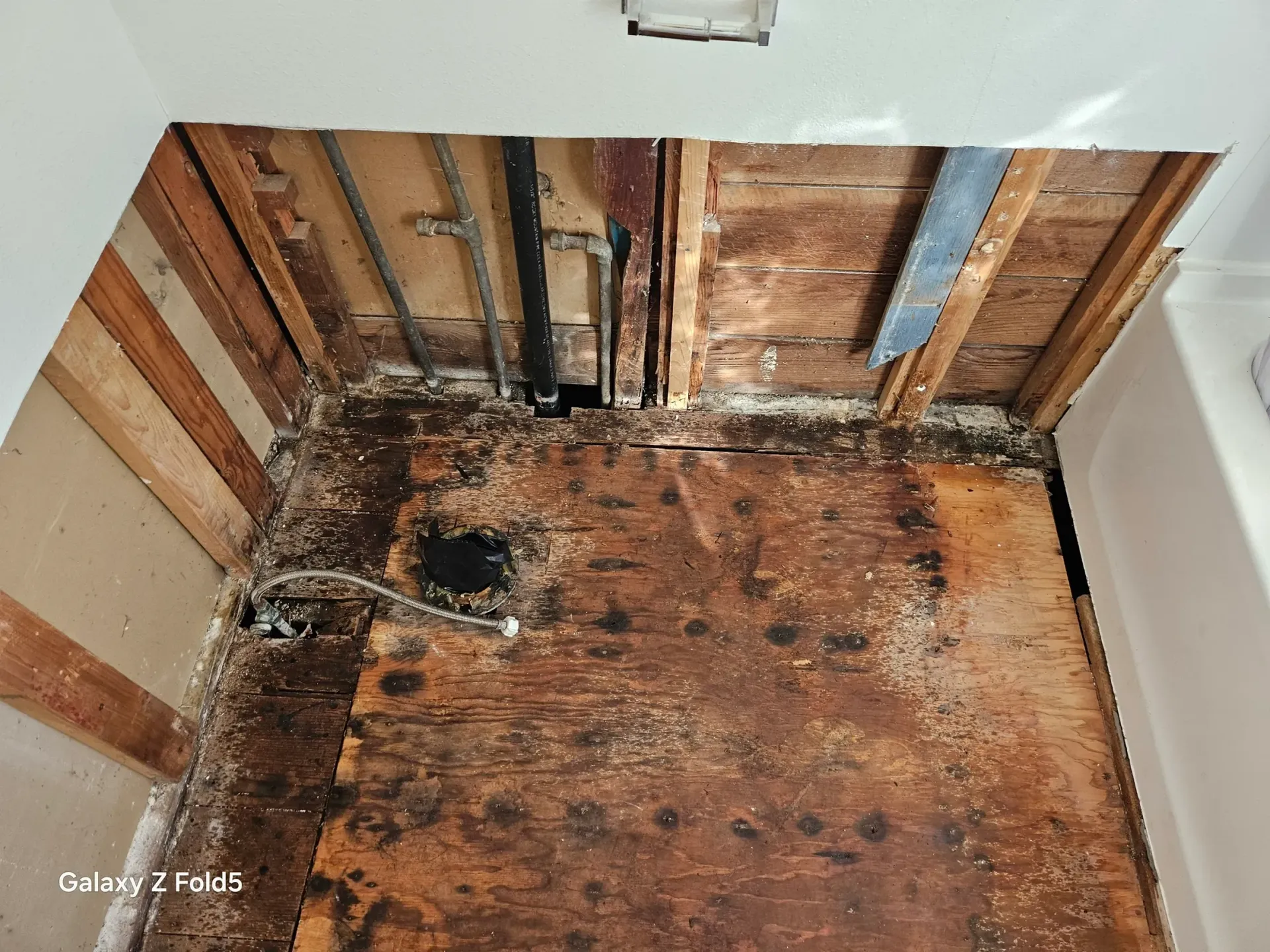
- Evaluate Hidden Impacts: Look for signs of moisture behind walls or in insulation. These less obvious issues can lead to mold growth if not addressed.
- Prioritize Tasks: List repairs in order of urgency. Focus on restoring structural integrity and addressing safety concerns first, followed by cosmetic fixes.
- Plan for Professional Help: Identify areas where expert assessment is needed, particularly when dealing with potential structural instability or extensive mold risk.
Following these steps in your Lakewood home or commercial property will ensure that you address all critical issues and streamline the restoration process efficiently.
The Road to Recovery: Why and When to Call in the Pros
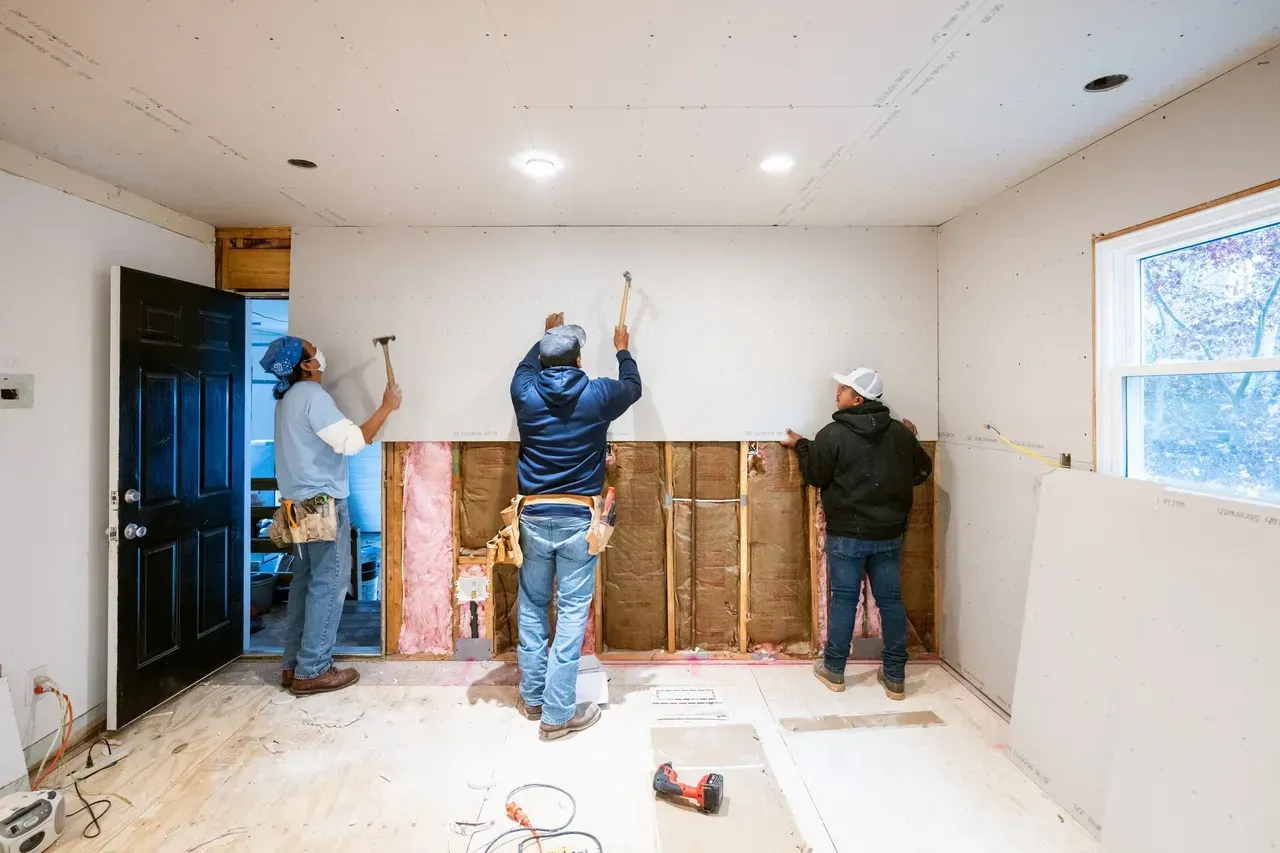
Experiencing fire or water damage can leave your property in disarray, creating a need for swift and knowledgeable intervention. Professional restoration services are designed to mitigate further damage and help you regain control of your property. These experts are armed with specialized tools and techniques to assess damage accurately and initiate the restoration process efficiently.
When should you call an expert? Consider reaching out immediately if:
- Structural elements are compromised
- Hidden mold or asbestos may be present
- There’s significant electrical, HVAC, or plumbing exposure
Professional restoration teams not only manage cleanup but also coordinate with insurance providers to streamline your recovery process. Their comprehensive approach, which includes water extraction, soot removal, and structural repair, ensures every facet of the damage is addressed. In areas like Lakewood, Washington, local professionals understand regional challenges and climate factors that can affect water and fire damage outcomes. Taking swift action by connecting with restoration specialists provides peace of mind and a clear path to restoring both your property's safety and aesthetics.
Don’t Let Damage Escalate: Expert Prevention Tips
When you're tackling fire or water damage restoration, preventing further deterioration is key. Follow these actionable steps to safeguard your property while restoration begins:
- Verify Safety First – Before initiating any repairs, ensure the area is secure. Turn off power or water sources if safe to do so, and wear protective gear to avoid hazards.
- Ventilate the Space – Open windows and doors to help circulate fresh air. This minimizes the buildup of harmful fumes and aids in drying the environment.
- Document and Isolate Affected Areas – Take photos of all damages and cordon off high-risk sections. This maintains a controlled zone, preventing accidental mishaps while you work.
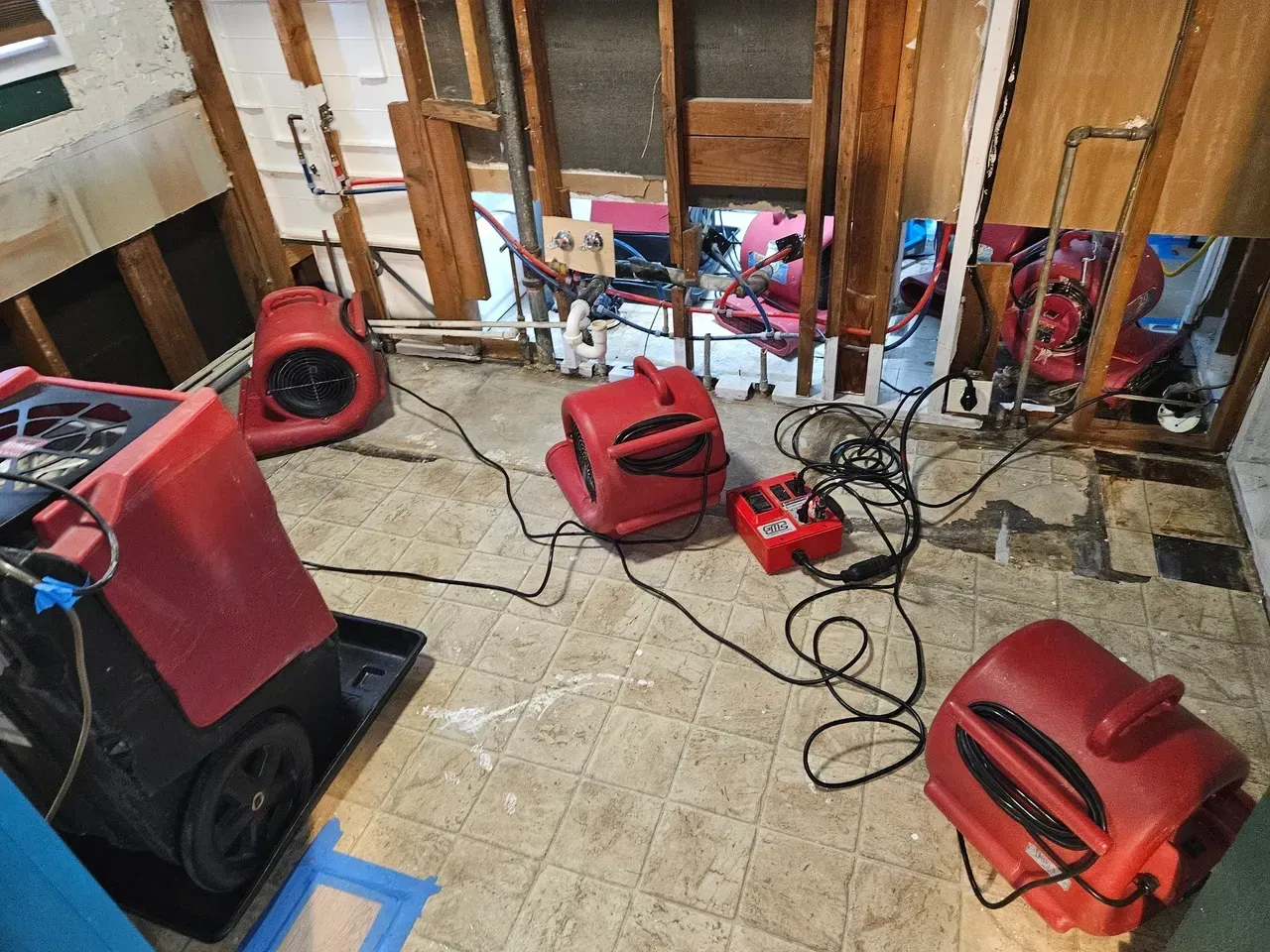
- Remove Excess Moisture or Debris – Begin with removing standing water using pumps or mops and carefully clear out loose debris. This step is critical to prevent mold growth and further structural damage.
- Monitor Temperature and Humidity – Use fans and dehumidifiers to keep conditions stable. In areas like Lakewood, Washington, where weather changes quickly, constant monitoring preserves long-term integrity.
Frequently Asked Questions on Restoration
What immediate actions should be taken following fire or water damage?
After an incident, safety is the top priority. Immediately evacuate if there is lingering risk and contact emergency services if needed. Shut off utilities and document damage with photos for insurance claims. Quick response limits further property damage and mold growth.
How long does the restoration process typically take?
Restoration timelines vary by damage severity. Minor issues might be resolved in days, while extensive fire or water damage may take weeks as professionals assess, clean, and repair. A thorough evaluation helps estimate the repairs needed.
What factors determine the restoration cost?
Costs depend on damage extent, type of repair required, and materials used for rebuilding. Detailed assessments and transparent estimates ensure homeowners understand the financial scope of each restoration project.
How is the damage evaluated?
Experts use advanced tools to detect moisture pockets or structural compromises not visible to the naked eye. Detailed inspections help in creating a tailored restoration plan.
Is temporary relocation necessary during restoration?
Depending on severity, some properties may require short-term relocation. Homeowners in regions like Lakewood, Washington, often find safe housing arrangements beneficial during extensive repairs.
Final Steps: Embrace a Proactive Recovery
As you wrap up your journey toward restoring your property, remember that the right blend of professional expertise and preventive measures sets the stage for lasting recovery. It’s essential to integrate actionable steps into your plan, ensuring that every aspect of the remediation process—from comprehensive damage evaluation to the implementation of safety protocols—is handled with precision. In areas like Lakewood, Washington, where environmental factors can intensify the challenges of restoration, taking preemptive action is crucial.
Consider these next steps:
- Schedule a detailed assessment with a certified restoration expert.
- Implement regular maintenance checks to prevent future damage.
- Review and update your emergency response strategies.
By prioritizing these measures, you not only address existing challenges but also fortify your property against future incidents. Your dedication to a methodical and informed recovery plan is the cornerstone of both immediate safety and long-term preservation. Stay proactive, maintain open lines of communication with response teams, and take each step as a commitment to rebuilding a safer, more resilient home.