The Essential Guide to Fire and Water Damage Restoration
Uncovering the Path to Recovery
Embarking on the journey to restore your property after fire or water damage is both challenging and essential. When your home or business in Lakewood or nearby areas is hit by unexpected disasters, knowing the best steps to take can save time, money, and peace of mind. In this guide, you'll find practical advice on managing damage, understanding restoration processes, and learning key industry terms that simplify otherwise daunting tasks.
Imagine regaining control with clear instructions on:
- Assessing damage quickly and safely
- Prioritizing critical areas for repair
- Step-by-step guidance for temporary stabilization
This introduction lays a solid foundation, outlining actionable tips and industry-relevant jargon that resonates with property owners in Washington and beyond. We will walk you through effective techniques for handling water intrusion and fire aftermath, ensuring you are well-prepared to initiate recovery efforts. Whether you want to mitigate further losses, navigate insurance claims, or simply prepare for unforeseen events, this opening sets the stage for a deeper dive into effective restoration strategies that empower you to make informed decisions in times of crisis.
Uncovering the Leading Causes of Fire and Water Damage
Navigating the hazards that threaten homes and businesses is crucial for ensuring swift recovery when disaster strikes. Fire damage often arises from electrical malfunctions, cooking mishaps, and poor maintenance of heating systems. Aging wiring and overloaded circuits can spark hazards, while unattended kitchen incidents may ignite flames that spread quickly across a property. Similarly, water damage frequently stems from burst pipes, severe weather events like flash floods, or leaks that gradually compromise structural integrity. In areas like Lakewood, Washington, seasonal weather fluctuations and aging infrastructure sometimes contribute to these issues.
Key factors to consider include:
- Electrical Failures: Faulty wiring and circuit overloads
- Kitchen Accidents: Grease fires and unattended cooking
- Plumbing Failures: Burst pipes and slow leaks
- Weather-related Damage: Roof leaks and flash floods
Understanding these common causes empowers property owners to take preventative measures and seek immediate action when faced with damage. This knowledge not only aids in choosing the right restoration techniques but also supports local communities in addressing these critical challenges with confidence and practical solutions.
Immediate Steps to Protect Your Property
After experiencing fire or water damage, taking swift and organized action is crucial to prevent further loss. Follow these steps to stabilize your situation and begin the restoration process:
- Ensure Safety: Evacuate the premises immediately and check for hazards like unstable structures or lingering smoke. Call emergency services if anyone is injured.
- Secure Utility Shut-Offs: Locate and switch off the main power and water supplies to minimize risks, especially important in residential areas like Lakewood in Washington.
- Document the Scene: Photograph and record damage details. This documentation will support any insurance claims later and is essential for an accurate restoration plan.
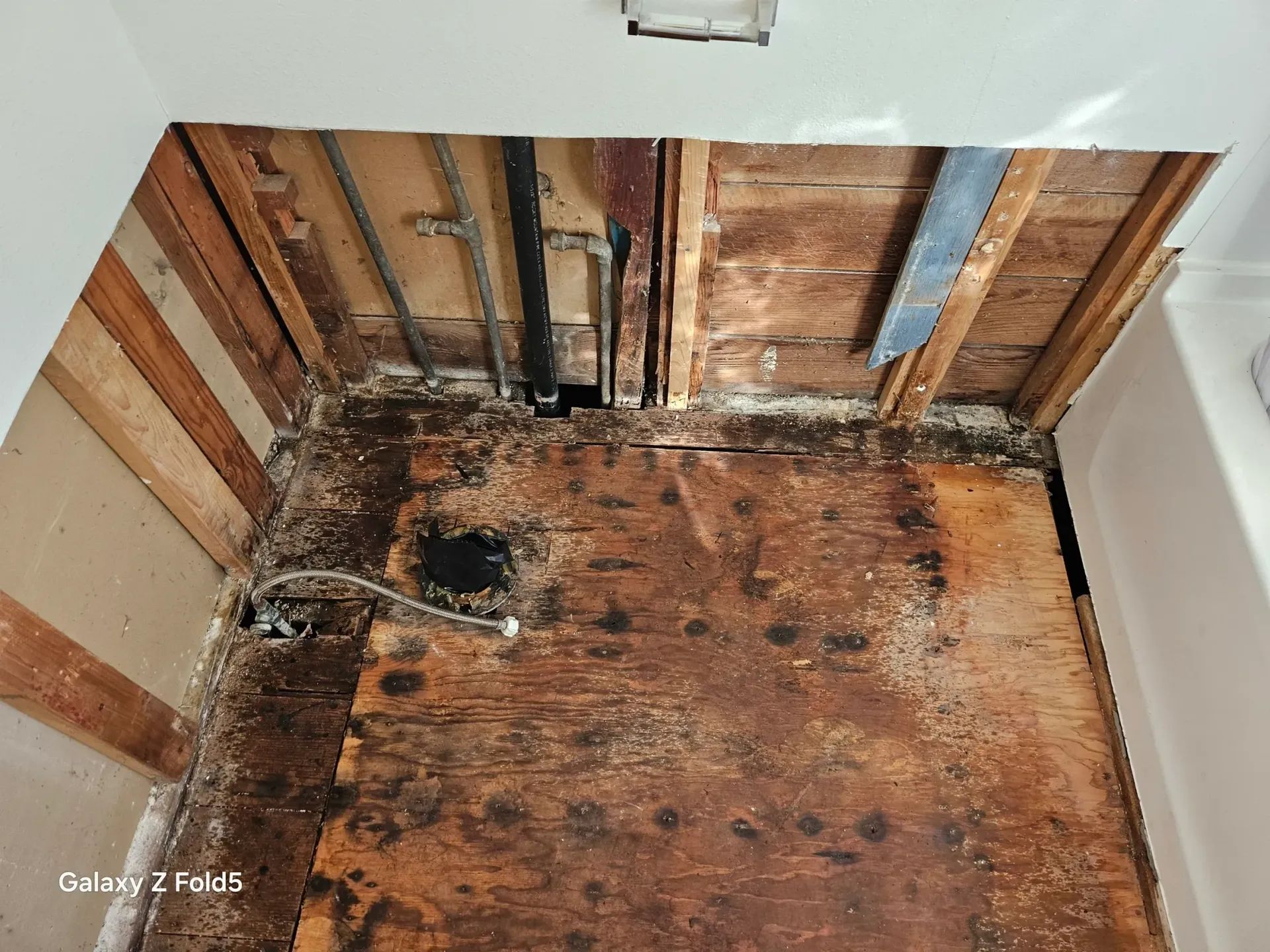
- Ventilate and Dry Out: Open windows and use fans if safe to do so, reducing potential mold growth in water-damaged areas.
- Remove Valuable Items: If possible, carefully relocate important belongings to a safe spot without risking further injury.
- Contact Professionals: Reach out to licensed restoration experts for a full assessment and to begin proper cleanup.
These immediate actions serve as a foundation for effective recovery and long-term property protection.
Advanced Restoration Techniques Unveiled
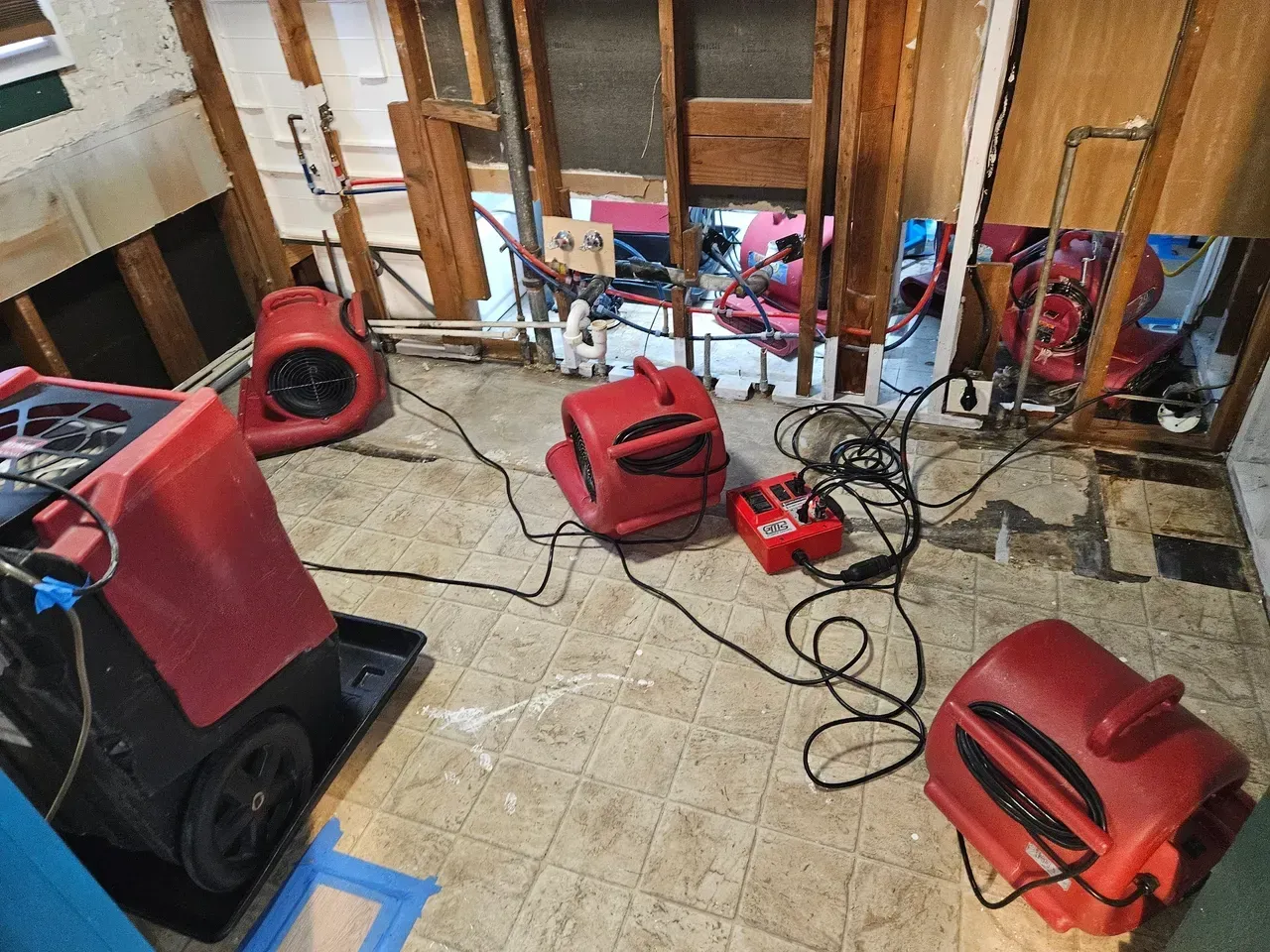
Restoration work today goes beyond basic cleanup—it's a sophisticated interplay of specialized equipment and modern techniques that set industry leaders apart. Whether facing water intrusion or fire aftermath, skilled professionals employ state-of-the-art machinery designed to mitigate damage quickly and efficiently in areas such as Lakewood, Washington. Leveraging advanced extraction systems and high-powered industrial dehumidifiers, restoration experts remove excess moisture to prevent further deterioration. Innovative tools like thermal imaging cameras and moisture meters pinpoint hidden dampness behind walls, while high-efficiency particulate air filters capture airborne contaminants that could otherwise compromise indoor air quality.
- Key techniques include:
- Rapid water extraction using high-speed pumps and vacuums
- Thermal imaging for precise damage assessments
- Industrial-grade dehumidification to prevent mold growth
- Soot and smoke remediation with specialized cleaning agents
This blend of technology and expertise ensures that environmental hazards are contained and properties are restored to their pre-loss conditions safely. Adapting these industry-leading approaches not only accelerates recovery but also safeguards the integrity of your investment—empowering property owners to confidently face the challenges of restoration.
FAQ: Essential Insights into Restoration Processes
What should I do immediately after a fire or water incident?
Begin by ensuring safety and shutting off utilities if possible. Protect the area from further damage by isolating affected zones, and document visible issues with photos for future reference.
How can I minimize additional loss until professional help arrives?
Quickly remove valuables if safe to do so, and employ temporary drying or ventilation measures. Remember, every minute counts in preventing secondary damage.
What are the main steps in a proper restoration process?
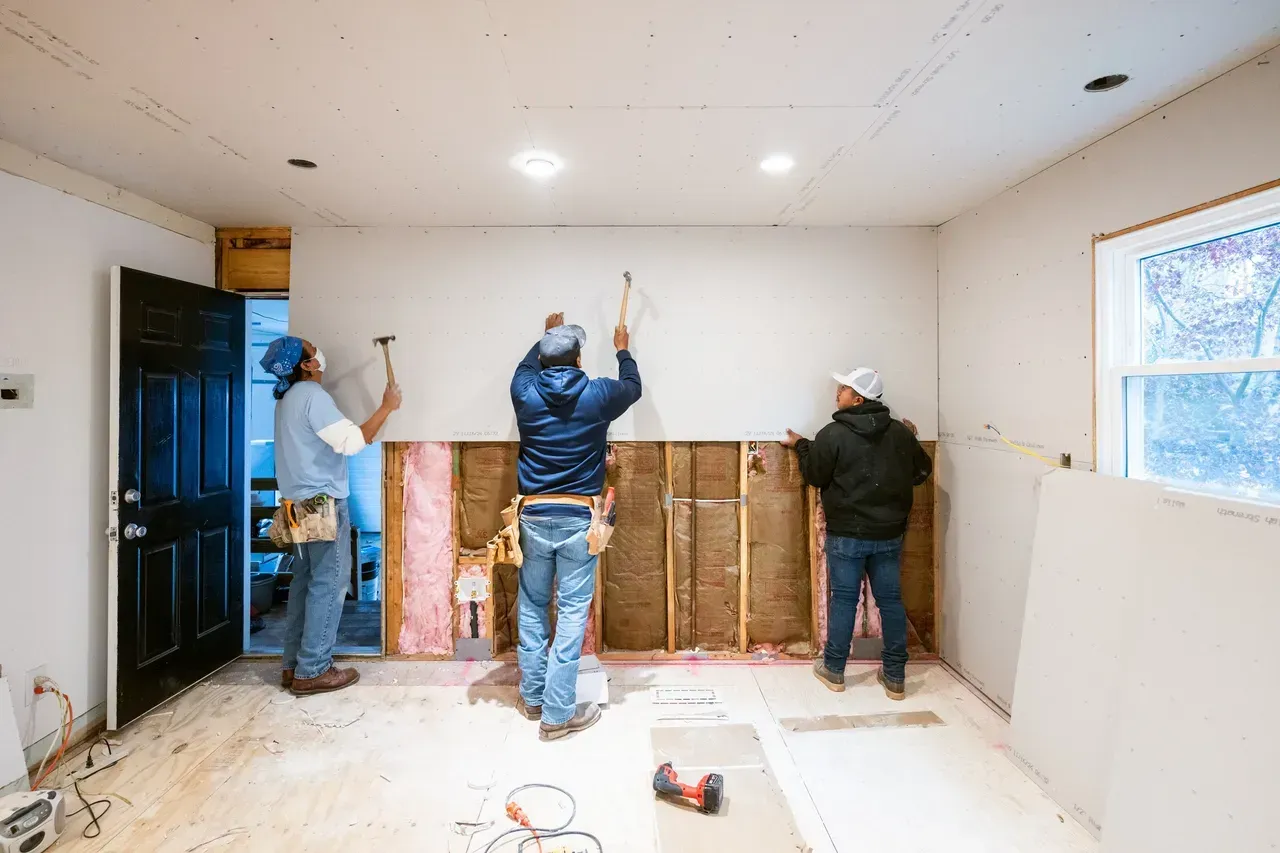
Restoration typically involves an initial assessment, debris removal, thorough cleaning, and complete drying. Specialists then restore structures using advanced equipment and techniques.
How is damage assessed in Lakewood and neighboring areas?
Local experts conduct on-site inspections to determine the extent of structural damage and identify potential hazards, ensuring that remediation addresses underlying issues.
How can I reduce the risk of mold growth after restoration work?
Prompt drying, proper ventilation, and the application of mold inhibitors are critical. Consistent monitoring post-restoration helps maintain a safe environment.
Is professional assistance necessary for all cases?
Generally, yes. Certified restoration professionals provide the expertise needed to prevent long-term damage and ensure your property is restored efficiently.
Navigating Local Restoration Challenges
When dealing with fire and water damage, local conditions can significantly influence restoration approaches. Understanding regional factors—such as climate changes, local infrastructure, and community building codes—ensures that the appropriate protocols are followed to safeguard your property. In areas like Lakewood, Washington, swift local response is not only a sign of efficiency but also crucial in minimizing further damage.
Local service providers bring invaluable insights into the community’s unique dynamics. They are familiar with:
- Regional weather patterns that can exacerbate water damage
- Local fire codes and safety regulations that guide proper restoration
- Community-specific building materials and construction practices
These experts offer hands-on practical guidance on safely mitigating hazards, securing your property, and preparing for potential emergencies. They often provide detailed assessments and tailored action plans that leverage state-of-the-art equipment. By relying on local restoration professionals, homeowners and property managers can access timely, personalized solutions that reflect both technical proficiency and regional expertise—ensuring that your property is restored efficiently and effectively.
Concluding Your Restoration Journey
In closing, the insights shared here underscore that timely, expert fire and water damage restoration is not just about repairing property—it’s about protecting your future. By focusing on swift response, careful damage assessment, and thorough remediation, you set the stage for a smoother recovery process. Consider these actionable steps to maintain your property's integrity:
- Document any damage early to support insurance claims
- Schedule regular inspections to catch potential issues before they escalate
- Prioritize professional evaluation to ensure comprehensive restoration
These practices not only minimize further damage but also ensure that your living or working space remains safe and resilient. Whether you’re in Lakewood, Washington, or another local community, remaining proactive in the wake of unforeseen events is crucial. Embrace this comprehensive guide as a roadmap to informed decision-making and a restored sense of security. With a thoughtful approach and careful planning, you are empowered to safeguard both your property and your peace of mind.