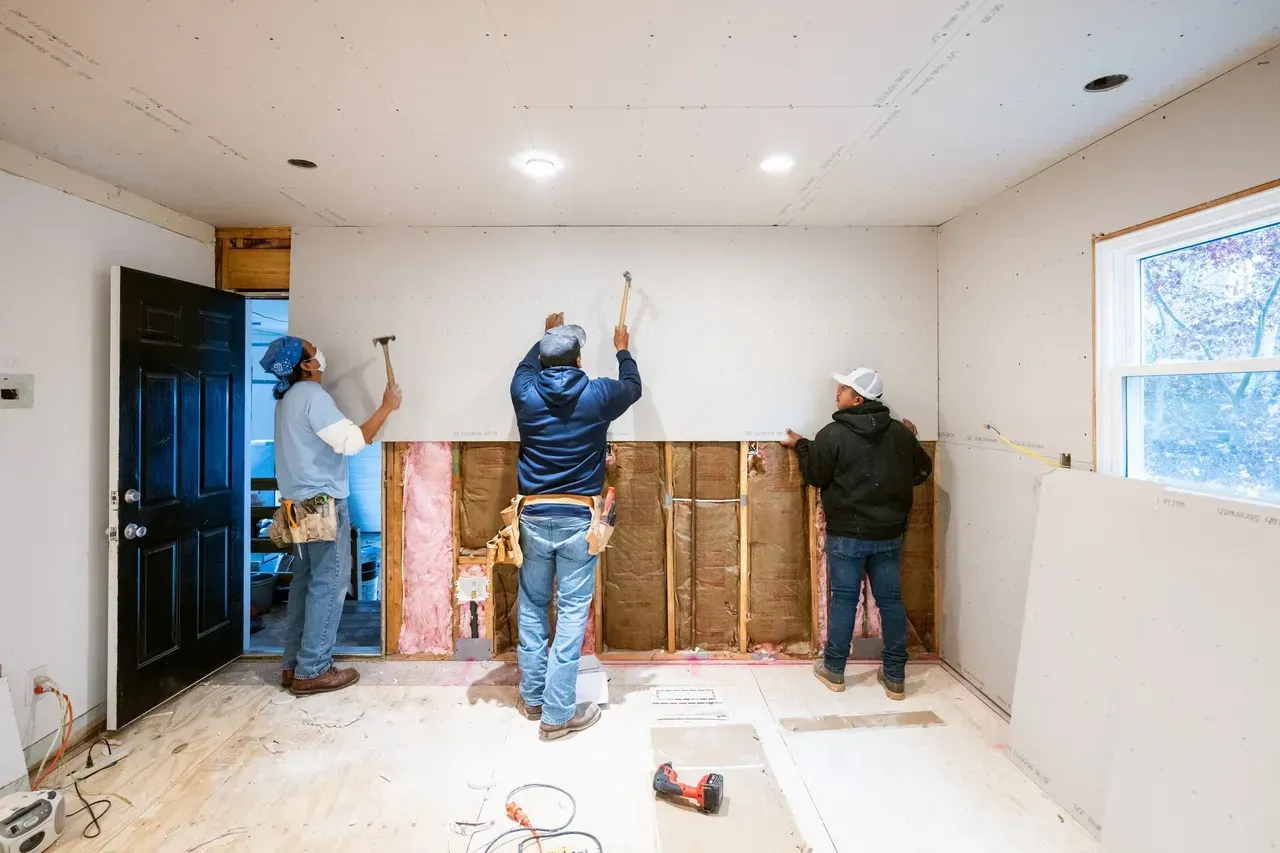
Comprehensive Guide to Fire and Water Damage Restoration
A Fresh Start: Unlocking the Secrets of Restoration
When unexpected fire or water damage strikes, taking immediate, informed action is crucial to protect your property and ensure a safe environment. Restoration isn’t just about cosmetic fixes—it’s a comprehensive process focused on structural safety, prevention of further deterioration, and long-term resilience. This section sets the stage for understanding how fire and water damage restoration tackles hidden hazards and restores peace of mind.
You’ll learn about:
- Critical First Steps: Quick assessment and containment strategies that minimize damage.
- Restoration Techniques: Actionable methods to combat both immediate and residual issues.
- Long-Term Protection: Insights on preventing future incidents through proactive planning.
For homeowners and property managers in areas like Lakewood and its surroundings, understanding these procedures is essential. The restoration process involves both immediate crisis management and thoughtful measures that preserve property value and functionality. By exploring practical tips and trusted industry practices, you’ll be empowered to address challenges head-on and safeguard your investment. Let this guide serve as your roadmap to confidently navigate the aftermath of disaster while prioritizing safety and recovery.
Essential Steps for Safe Fire Damage Restoration
Experiencing fire damage can be overwhelming, but following a clear, step-by-step process can help restore your property safely and effectively. Begin by ensuring that all safety measures are in place to prevent further harm. Here’s a practical guide to navigate through the initial restoration stages:
- Assess and Secure the Area:
- Confirm that the fire is out and there is no risk of re-ignition.
- Evacuate the area if necessary and wait for professional clearance.
- Document and Evaluate Damage:
- Record the affected areas for insurance purposes.
- Identify structural concerns and prioritize safety before cleanup.
- Initiate Cleanup Procedures:
- Remove debris and soot using recommended safety gear.
- Ventilate rooms to expel lingering smoke and odors.
- Implement Effective Drying Techniques:
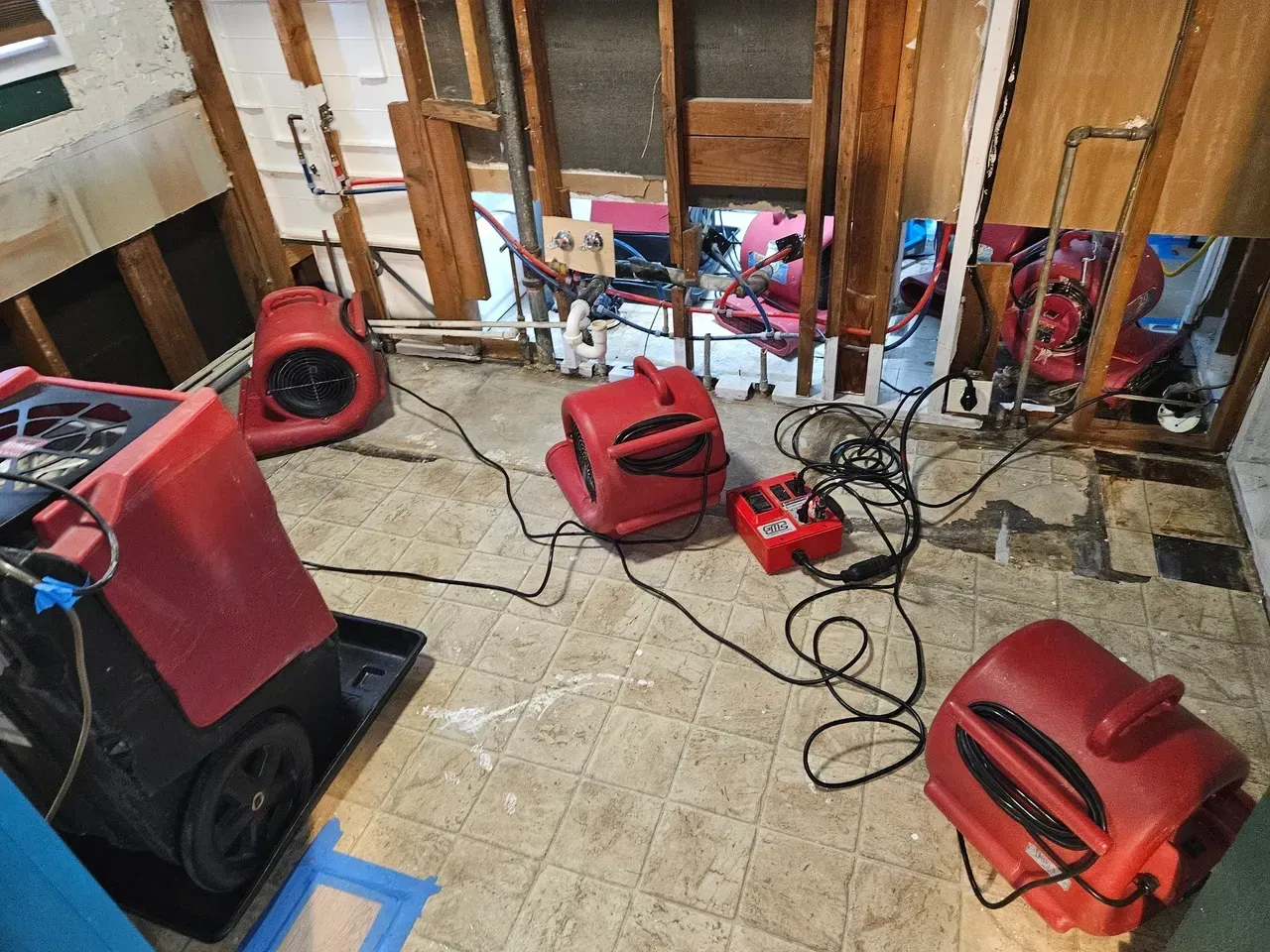
- Use industrial fans and dehumidifiers to reduce moisture buildup.
- Monitor humidity levels to prevent further damage.
In regions such as Lakewood, Washington, adhering to these steps can help mitigate additional risks and expedite recovery. Always consider consulting certified restoration experts when necessary for a safe and thorough cleanup process.
Mastering Water Extraction and Drying Techniques
Successfully tackling water damage begins with a methodical approach. Follow these steps to implement effective water extraction and drying techniques:
- Assess the Situation
- Evaluate the extent of the damage and identify all affected areas.
- Prioritize safety by shutting off electricity and gas where water intrusion is present.
- Execute Water Removal
- Use industrial-grade pumps and wet/dry vacuums to eliminate standing water quickly.
- Remove furniture and absorbent materials to prevent further saturation and potential mold growth.
- Initiate the Drying Process
- Deploy high-powered air movers and dehumidifiers to circulate air and reduce ambient moisture.
- Monitor humidity levels regularly to ensure optimal drying conditions.
- Implement Best Practices
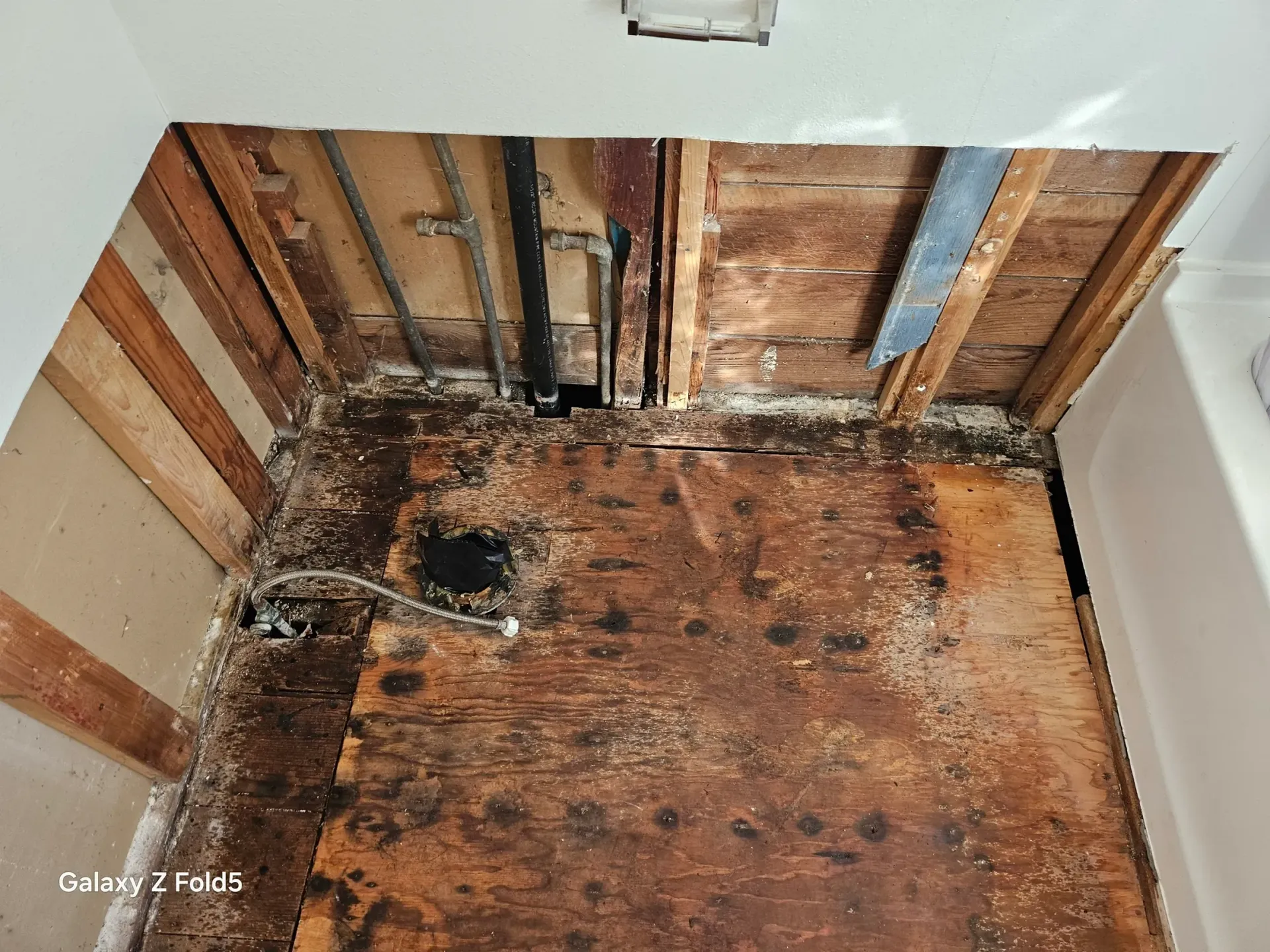
- Inspect hidden spaces like walls and subfloors for residual moisture.
- Enhance ventilation by opening windows and using fans, especially in Lakewood, Washington, where local weather can impact drying efficiency.
By following these actionable steps, you can reduce the risk of long-term structural damage and mold proliferation while restoring the affected area to a safe, dry condition.
Mold Remediation: Protecting Your Home from Hidden Hazards
Mold remediation plays a crucial role in preventing additional damage and safeguarding health after water incidents. When water damage occurs, moisture can create a breeding ground for mold, which not only deteriorates building materials but also poses serious health risks such as respiratory issues and allergic reactions. By addressing mold growth quickly and efficiently, homeowners can minimize further structural decay and avoid long-term complications.
Effective mold remediation involves a series of strategic steps:
- Inspection and Assessment: Identifying all areas impacted by moisture and hidden mold colonies.
- Containment Practices: Preventing mold spores from spreading to unaffected areas.
- Removal and Cleaning: Utilizing specialized cleaning solutions and equipment to eliminate mold entirely.
- Prevention Strategies: Implementing dehumidification and proper ventilation systems to deter future mold growth.
For residents in areas like Lakewood and surrounding communities, understanding the importance of prompt mold remediation after water damage is essential. This proactive approach not only preserves the integrity of your property but also ensures a healthier living environment, letting you enjoy peace of mind as you begin the restoration process.
Breaking Down Restoration Costs and Managing Your Budget
When facing fire or water damage, understanding the cost structure is key to managing your budget effectively. Several factors continuously influence restoration expenses. The extent of damage, the type of materials affected, and the complexity of repairs all play significant roles. For instance, extensive water damage might require additional mold remediation, while fire damage could involve intricate smoke and soot cleanup.
Factors that impact pricing include:
- Severity of Damage: Greater damage often leads to higher labor and material costs.
- Emergency Response: Projects requiring immediate attention might incur additional fees.
- Insurance Coverage: Policies vary, altering out-of-pocket expenses.
- Location: Local market rates in areas like Lakewood, WA, can affect service costs.
To effectively manage your budget, consider:
- Requesting detailed quotes from multiple local service providers.
- Verifying the scope of work to avoid unexpected costs.
- Setting aside a contingency fund for hidden complications.
- Evaluating insurance details in advance to ensure proper coverage.
By considering these factors and taking proactive steps, homeowners can navigate the restoration process with confidence, ensuring both quality repair work and financial peace of mind.
What are the early signs of fire and water damage?
Detecting early signs such as discoloration, warping of materials, or lingering smoke odor after a fire, and water stains, damp walls, or musty smells following water exposure, is crucial for quick action.
How urgent is it to address these damages?
Immediate response is key. The longer damage remains unaddressed, the greater the risk of secondary issues like mold growth or structural degradation—especially in areas with high moisture like Lakewood, Washington.
What does the restoration process involve?
The process typically includes assessment, debris removal, drying, cleaning, and final repairs. Each step is designed to prevent further damage and ensure a safe return to normalcy.
Can property contents be salvaged?
Yes, many items can be recovered. Restoration experts carefully document, salvage, and clean affected belongings to reduce overall loss.
Is it safe to stay in my property during restoration?
Safety depends on the extent of the damage. Experts usually recommend temporary relocation until the property is thoroughly inspected and deemed secure.
How do professionals guide me through the process?
Restoration teams provide detailed explanations, prioritize safety, and offer clear timelines, ensuring you remain informed and supported throughout the recovery journey.
Wrapping Up: Act Swiftly and Secure the Right Expertise
Timely action is the cornerstone of successful fire and water damage restoration. Your property’s recovery hinges on reacting quickly to minimize losses and prevent further complications. Understanding the critical nature of immediate intervention can empower you to tackle restoration challenges with confidence. Remember, delays can lead to additional structural issues and potential health risks.
Key takeaways include:
- Assessment: Conduct a prompt evaluation to gauge the extent of damage.
- Professional Guidance: Consulting certified restoration experts is essential, as they bring advanced tools and techniques to the table.
- Local Awareness: In regions like Lakewood, Washington, local expertise can make a significant difference in adhering to regional building standards and regulations.
- Action Steps: Prepare an emergency plan, document damages, and prioritize communication with professionals for effective restoration.
Embracing these strategies not only streamlines the restoration process, but also safeguards your investments. The path to a successful recovery starts with swift, informed decision-making. With the right approach and support, you can restore your property safely and efficiently. Stay proactive, remain vigilant, and take the necessary steps to initiate recovery without delay.